A summer at AgiBot, where humanoid robots are heading for the living room.
Three months in Shanghai on the business side of a robotics company: who else is building these, who would buy one, and who to sell them with.
Investment & Business Analytics InternJun – Aug 2026Shanghai
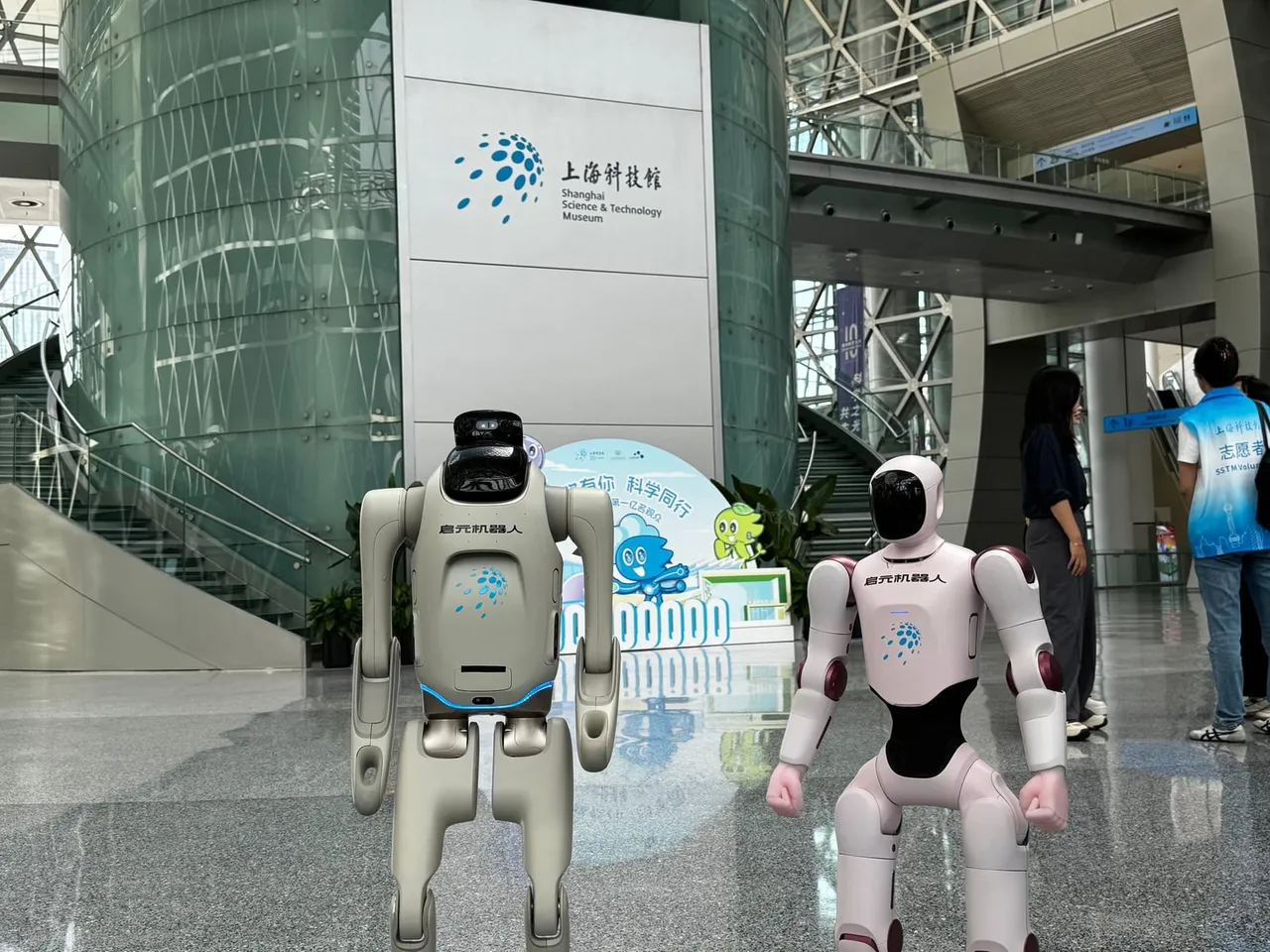
01Two Qiyuan robots at the Shanghai Science and Technology Museum.
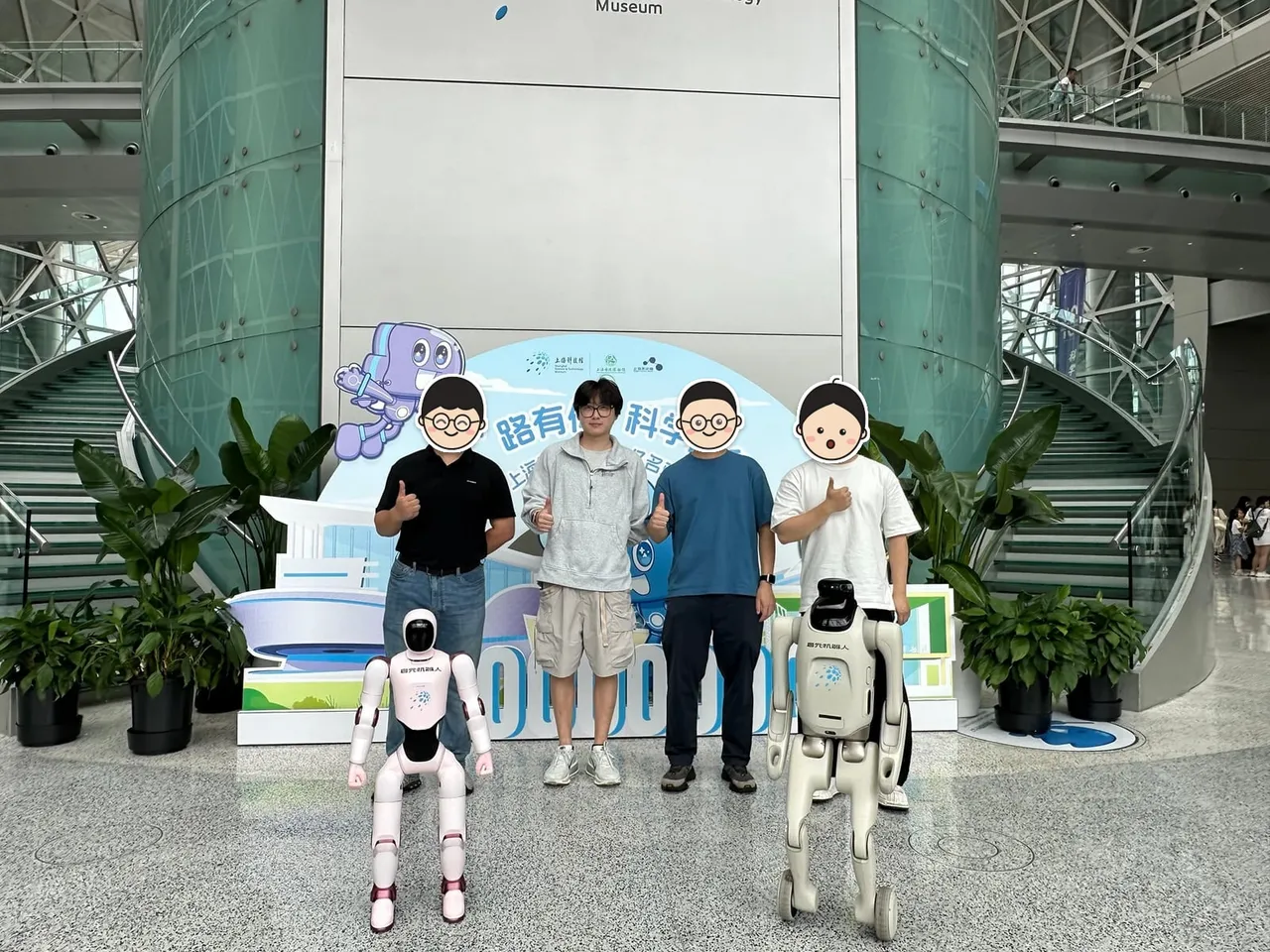
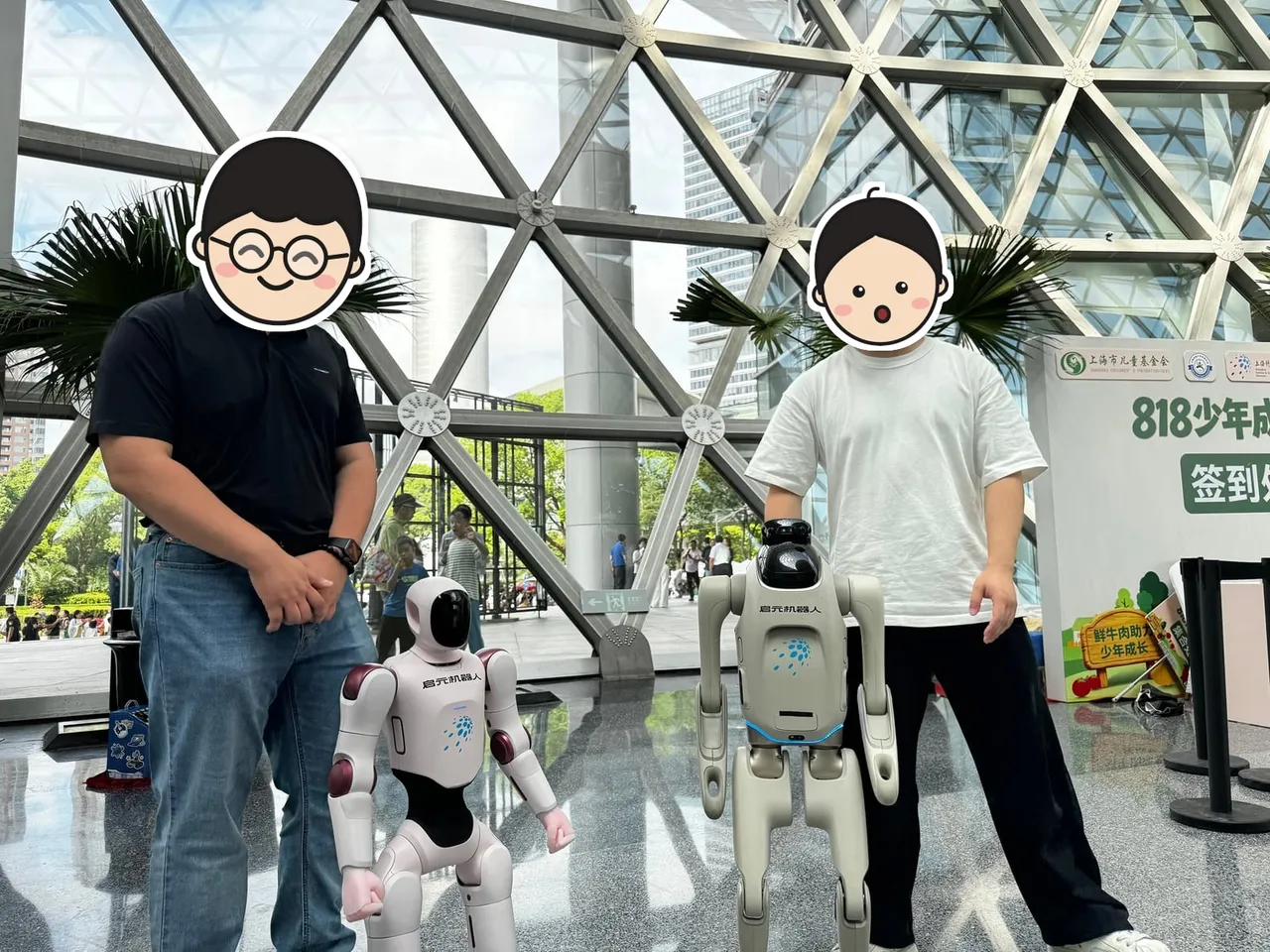
02The team, and the two robots, in the museum atrium.
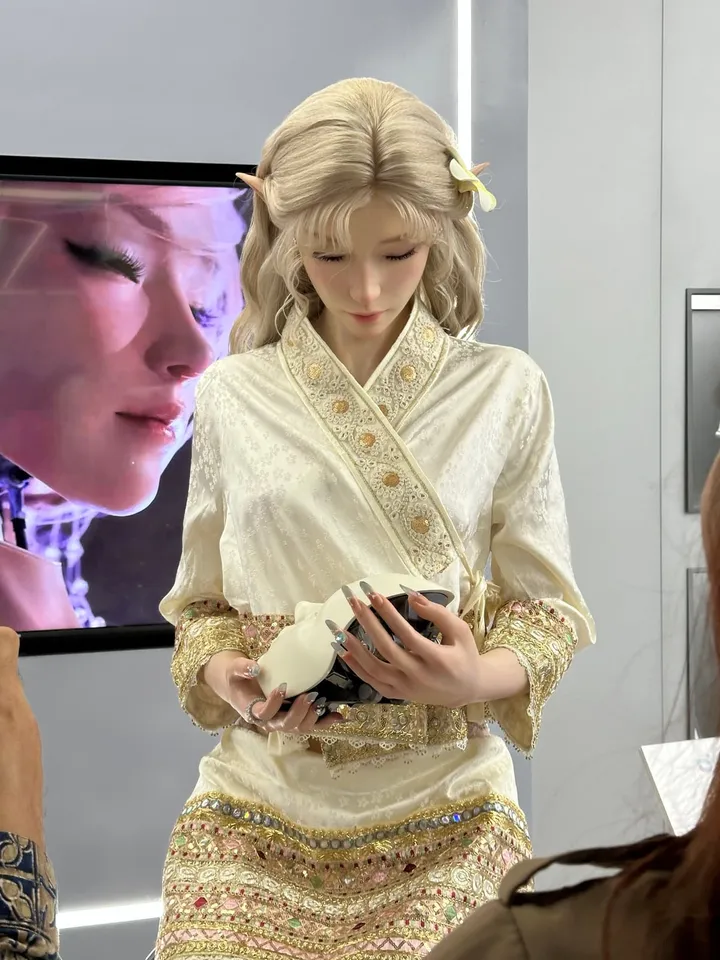
03A lifelike humanoid on display.
04Getting the robots ready for visitors.
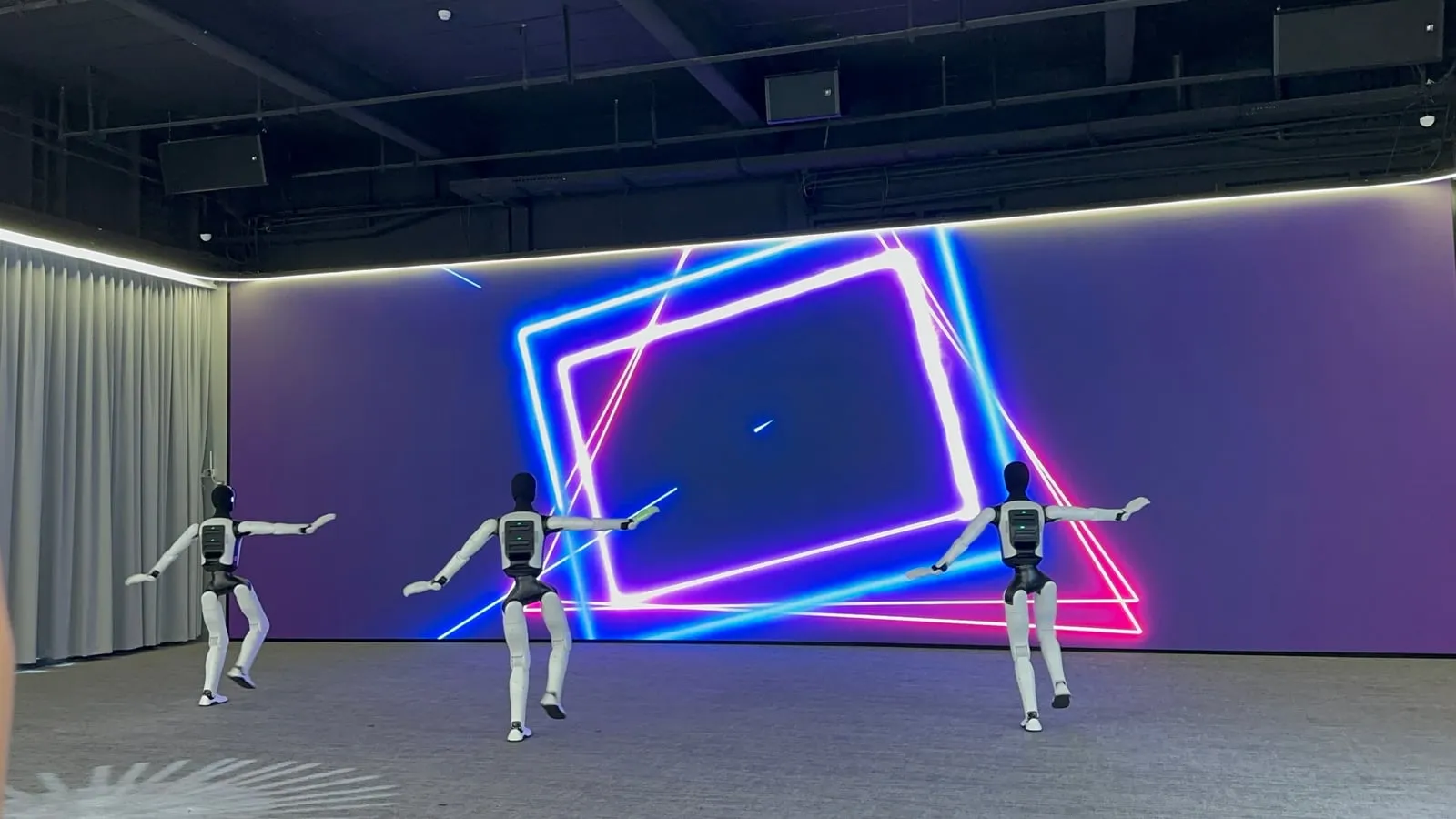
05Three humanoids in the middle of a dance routine.
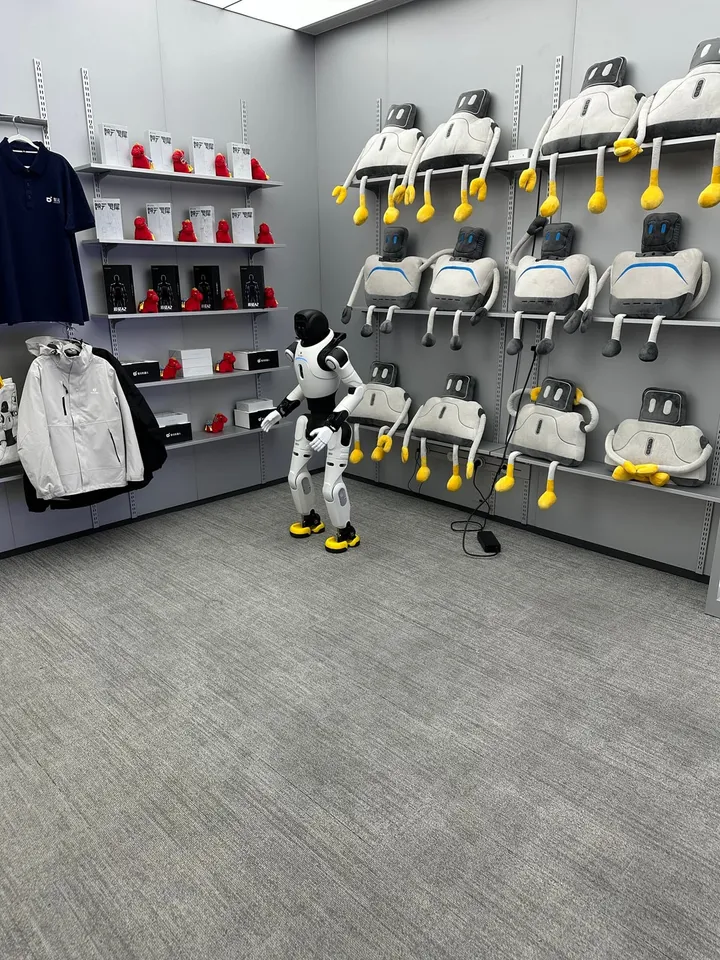
06Plush robots on the shelves, a real one on the floor.
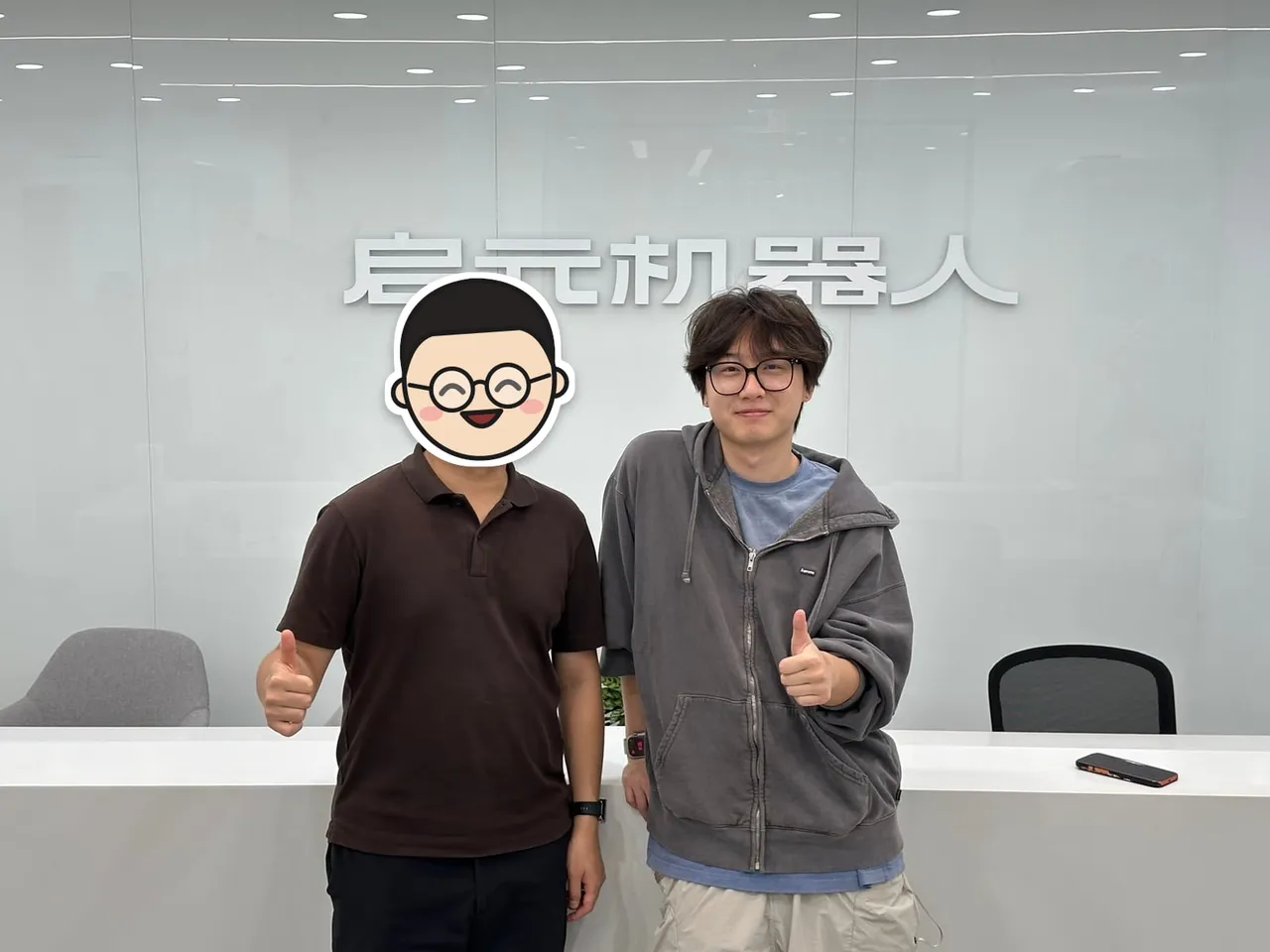
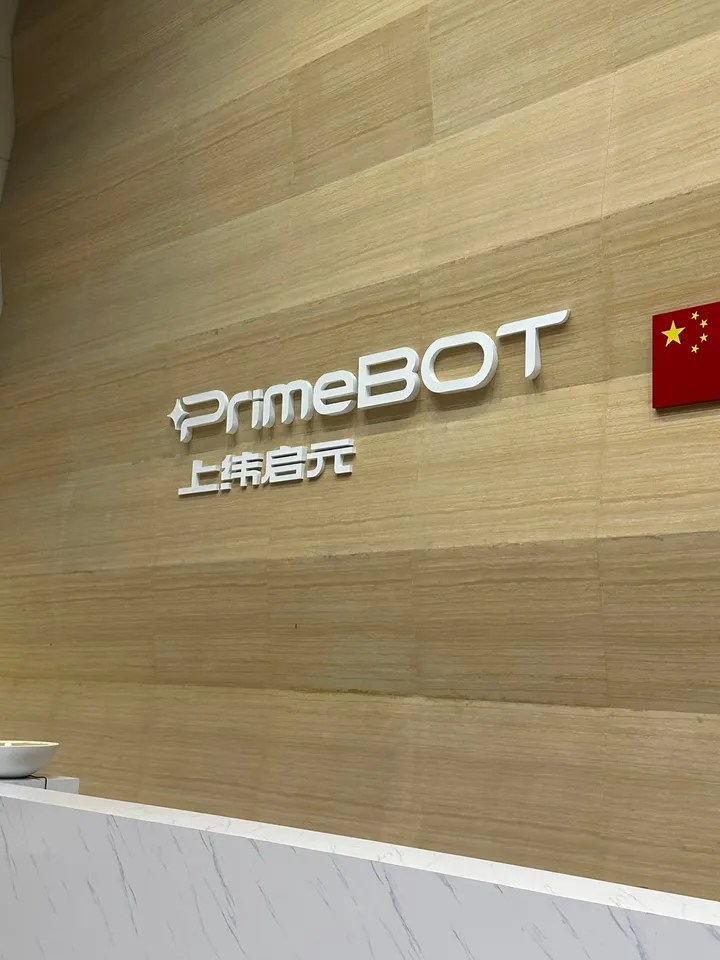
07At the office, in front of the 启元机器人 sign.
Shanghai, summer 2026
01 / 07
The company
Two brands, one family
Robots for factories and businesses
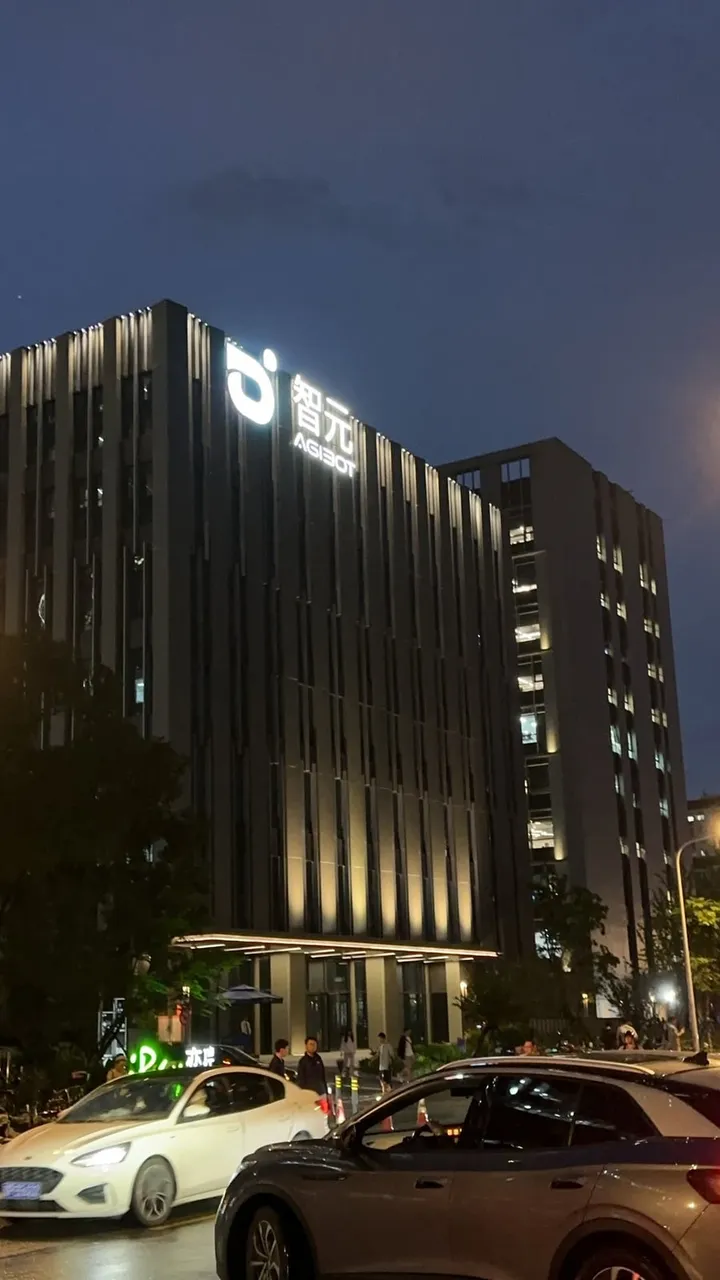
AgiBot 智元机器人
AgiBot is a Shanghai company that builds humanoid robots and the AI models that run them. It was founded in February 2023 by Peng Zhihui and Deng Taihua, both formerly of Huawei, and it sells mainly to industrial and commercial customers. Its robots come in three families: Yuanzheng, Lingxi and Genie.
Robots for people
PrimeBOT 上纬启元
PrimeBOT is the consumer side of the family. It is the personal-robot brand of Swancor Advanced Materials, a listed company chaired by AgiBot co-founder Peng Zhihui, and it was announced on December 31, 2025 together with its first robot: the Qiyuan Q1, a humanoid under a metre tall with an open SDK, meant for developers, classrooms and homes. A second robot, the transformable T1, followed in July 2026.
What I did
6 areas of work
20+
companies analyzed
5
markets covered
3
months in Shanghai
01
Investment research and screening
Robotics segments, the startups in them, what they have raised and how close they are to real revenue.
I worked with the investment team, studying parts of the robotics industry and the young companies in them: what each one builds, how much it has raised, and how close it is to real revenue. The findings went into comparison tables and written analyses the team could screen with.
Much of the effort went into the numbers. Public sources mix single rounds, running totals and database estimates, so I traced each figure back to where it came from and dropped the ones that could not be backed up.
Funding rounds
Valuations
Commercial readiness
Checking sources
02
Market and competitive analysis
Robot products compared by technical route, price, customers, business model and sales channel.
I analyzed more than 20 companies across 5 markets and turned the findings into reports and comparison tables, which were used for investment screening and for discussing where the product could go next.
Where a market deserved a closer look, I sized it from public filings, estimated shipments from reported market shares, and kept a brand’s own sales apart from what it manufactures for others, so that like was compared with like.
Market sizing
Market share
Shipments
Revenue breakdown
Pricing
03
Product strategy and the developer ecosystem
How a robot maker can reach developers, and what open hardware has to teach it.
I looked at how open hardware platforms make money and how a community of developers turns into orders from businesses, then asked the same questions of a robot: who the developers are, what they would buy, what has to be open, and which routes to revenue exist.
Time in developer forums and hands-on testing pointed to high cost as the barrier to adoption, so I recommended ways to make the first purchase worth it: starter projects, documentation and examples.
Open hardware
Developer communities
Adoption barriers
Routes to market
04
Strategic partnerships
Early conversations about working with a Chinese electric-car brand, a proposal for how, and the coordination with Marketing.
I took part in the early discussions about a partnership with a Chinese electric-car brand, and brought marketing feedback and the CEO’s sales priorities together into a phased proposal: a joint campaign, car-and-robot demos, and a proposed listing in the online store. The phases were there to balance the relationship against early sales.
Chinese EV brand
Joint campaign
Car-and-robot demos
Phased proposal
05
Consumer robotics
What people want from companion and home robots, and where the products are heading.
I compared consumer robots already on the market by price, features and intended owner, and looked at why people keep one rather than why they buy one. From there I sorted what owners struggle with into a set of pain points, each with the direction it points in.
I also followed how the field has been changing, in hardware and in software, and kept announcements and pre-orders apart from real sales, deliveries and continued use.
Companion robots
Home robots
User needs
Pricing
Product trends
06
Working across teams
Research for the people making the investment and product decisions.
I talked with the Marketing, Design, Hardware and Ecosystem teams to understand what each of them needed, and wrote the findings up as reports, comparison tables and meeting notes for the company’s investment and product discussions. Part of the job was keeping the data honest: one unit and one source per table, and estimates labelled as estimates.